About the Author
Nic Cheropoulos is an independent writer and analyst focusing on authoritarian systems, state crime, child abduction, and constitutional failure. His work combines legal analysis, geopolitical context, and documented cases to expose how modern states, both authoritarian and democratic, fail their most fundamental obligations.
Religion as a Tool of Authoritarian Power
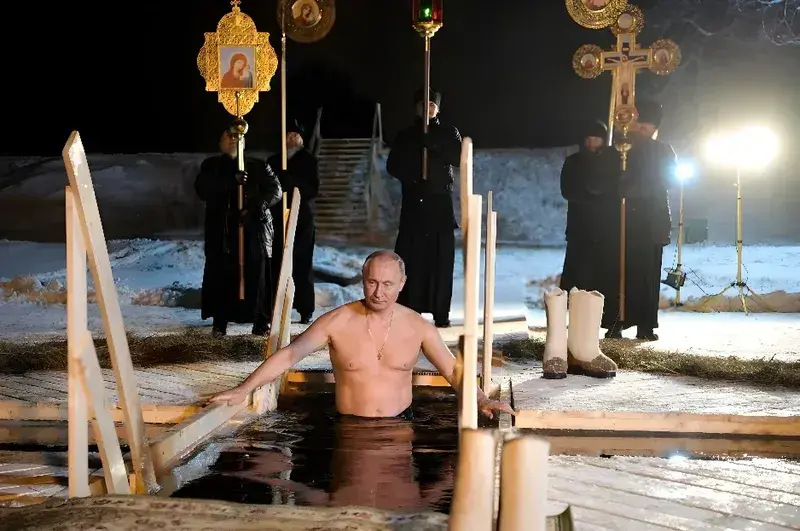
An examination of how the Russian Orthodox Church functions as an ideological arm of the state, providing moral cover for war crimes, child deportations, and political repression while presenting itself as a guardian of tradition and spirituality.
Child Abductions as State Policy
Detailed analysis of forced child transfers, identity erasure, and illegal adoptions carried out under authoritarian regimes, assessed through the lens of:
Dictatorship, Impunity, and Personal Power
Profiles and analyses of Putin’s Russia and Lukashenko’s Belarus as systems where law serves power rather than restrains it, and where accountability is systematically neutralized.
Sweden’s Failure to Protect Its Citizens
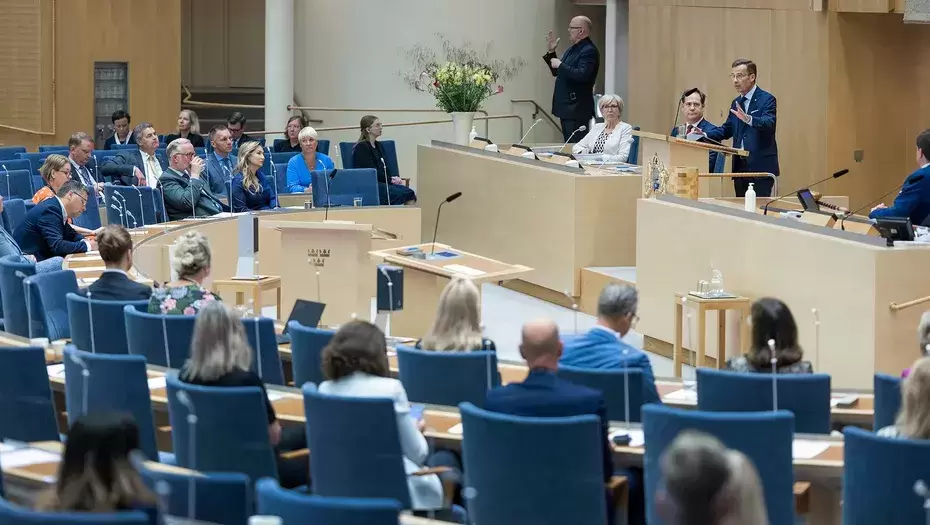
A critical examination of Sweden’s governmental response, or lack thereof, when citizens are subjected to abduction, unlawful detention, or rights violations abroad. The articles raise fundamental questions about:
The Myth of “Quiet Diplomacy”
We are constantly told that “quiet diplomacy” is the most effective path. But let us be clear: quiet diplomacy in the face of state-sponsored kidnapping is simply silence. When Sweden remains silent, it signals to Moscow and Minsk that our citizens are expendable. When the MFA of Sweden refuses to categorize these cases as political abductions, they grant the kidnappers the shield of “civil disputes”.
Why These Articles Matter
These texts are written in response to a widening gap between international legal commitments and actual state behavior. They challenge:
The normalization of authoritarian violence
The misuse of religious legitimacy
The silence of democratic governments when political convenience outweighs human rights
The work presented here is intended for:
Journalists and investigative editors
Human rights organizations
Legal scholars and practitioners
Policymakers and parliamentary bodies
International courts and accountability mechanisms
Editorial Position
Silence is not neutrality.
Inaction is not diplomacy.
And legality without justice is complicity.
This platform exists to document, analyze, and confront abuses that powerful institutions would prefer remain unspoken.
Explore More:




 EL
EL  EN
EN  RU
RU  UA
UA  SK
SK  IT
IT  SV
SV