


Sexual Abuse in Eastern Orthodoxy
Section from the Article: Andrei Lemeshonok – Criminal or Saint?
Published 06 December 2024
Sources: [06], [15], [29], [30], [31], [34]
Pedophilia within the Belarusian Orthodox Church (BOC)?
In Belarus, public reports of alleged cases of pedophilia within the Belarusian Orthodox Church (BOC) remain conspicuously absent from mainstream media. This lack of coverage may stem from the sensitivity surrounding such accusations and the Church’s close ties with the state. As part of the Russian Orthodox Church, the BOC holds a prominent position as a moral and spiritual authority, woven deeply into Belarus’s cultural heritage and upheld as a defender of «traditional values».
However, recent scandals within the broader Russian Orthodox Church have begun to challenge this revered image. Allegations of sexual abuse and pedophilia have surfaced within its ranks, calling into question the institution’s commitment to justice and moral accountability. These revelations have led to growing calls for transparency and reform to protect the Church’s integrity.
The scandal surrounding Metropolitan Hilarion of Budapest and Hungary exemplifies the broader issues facing the institution. Following sexual harassment allegations, the Holy Synod temporarily suspended Hilarion and initiated an investigation, though the official statement remained deliberately vague. This case has cast a further shadow on the Church, with covert recordings revealing Hilarion’s alleged plans to use church funds for personal gain.
Notably, Russian businessmen under sanctions – such as Dmitry Pumpyansky, God Nisanov, Petr Aven, and Valery Kogan – were reportedly involved as major donors (source [06:1]).

Hilarion and Suzuki together at mass in Hungary. Photo: Parish of the Holy Trinity
These unfolding events highlight the urgent need for accountability and transparency within the Russian Orthodox Church and its affiliates. As the Church confronts these challenges, its response will likely shape public perception, either reinforcing trust or risking further erosion of its standing as a guardian of moral and spiritual values in Belarus and beyond (source [06:2]).
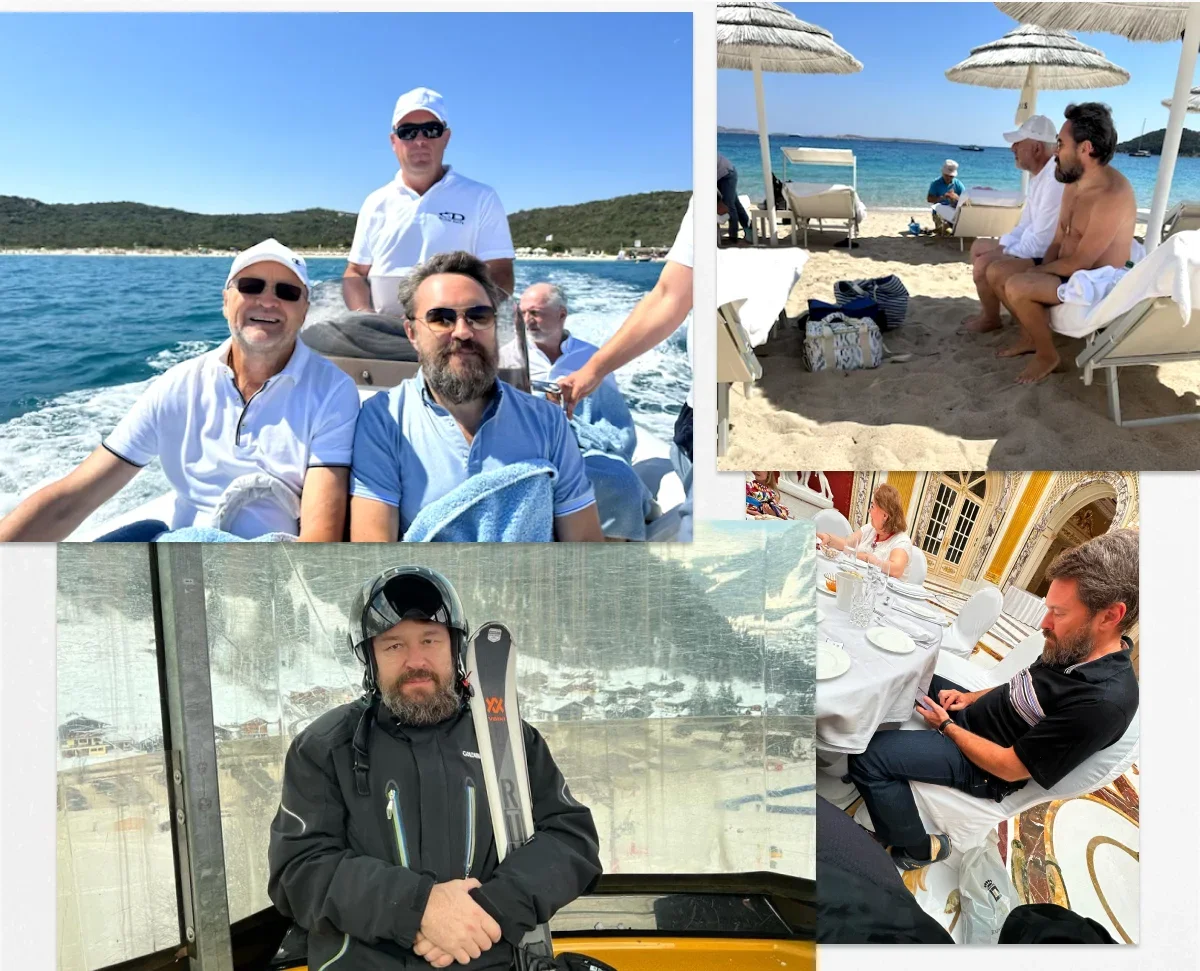
Photos courtesy of George Suzuki – Novayagazeta.eu
Priest Nikolai Stremsky, once celebrated as a respected figure within the Russian Orthodox Church, has become the center of a national scandal in Russia. Stremsky, honored by Vladimir Putin with the prestigious Order of Parental Glory in 2006, saw his legacy unravel after his 2019 arrest on charges of rape and child abuse. Media outlets reported that Stremsky was accused of abusing seven children in his care, leading to a two-year investigation that culminated in a profound fall from grace by Christmas Eve of 2021 (source [30:1]).
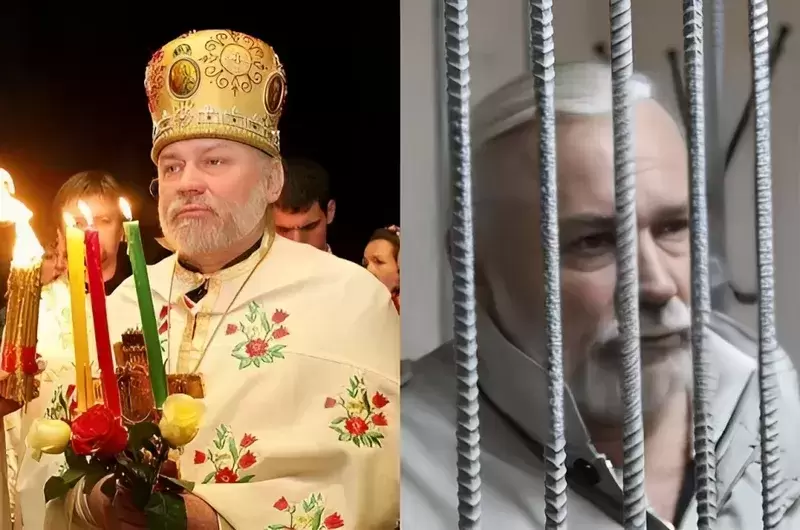
Nikolai Stremsky was given a national honor for having Russia’s biggest family
The scandal surrounding Stremsky is not isolated. In the Sverdlovsk region, authorities have also launched an investigation into abuse at the Sredneuralsk Women’s Monastery, a convent outside Yekaterinburg. This convent, founded by the defrocked priest Sergii Romanov, was reportedly plagued by child abuse under his leadership. Romanov’s defiance and the alleged abuses have intensified public scrutiny of the Orthodox Church’s response to such issues (source [34:1]).
Similar disturbing reports have surfaced elsewhere, highlighting failures in oversight and accountability. In one case, the Arshanskaya Gazeta refrained from reporting on alleged pedophilia involving a local youth association, raising suspicions of influence from high-ranking officials. Attempts to investigate these connections were met with resistance, as seen when police filed charges against a journalist who speculated about the involvement of powerful patrons (source [31:1]).
In Belarus, concerns extend to the political elite. A video released in 2020 by «Our House», an activist organization, revealed allegations involving Vyacheslav Davydovich, an official from Lukashenko’s Administration. Davydovich, who also led a charity for orphaned children, faced trial in 2016 for alleged sexual abuse of children from orphanages. The accusations, spanning from 2010 to 2012, underscore the pressing need for institutional reforms and accountability mechanisms to protect vulnerable children and address abuses effectively (source [31:2]).
Conclusione
The cases of sexual abuse within the Eastern Orthodox Church, particularly the Russian Orthodox Church and its affiliates, reveal a disturbing pattern of neglect, systemic cover-ups, and a glaring lack of accountability. From high-profile scandals involving prominent figures like Metropolitan Hilarion and Priest Nikolai Stremsky to the ongoing investigations into abuse within monasteries and youth associations, these incidents highlight deep-rooted issues within the Church that cannot be overlooked. The failure to adequately address such allegations, compounded by the influence of political and religious elites, further complicates efforts to hold perpetrators accountable and protect vulnerable individuals.
The absence of media coverage and the apparent reluctance of authorities to pursue thorough investigations raise serious concerns about the extent of corruption and power dynamics within both the religious and political spheres. The Church’s close ties to the state, particularly in countries like Belarus, where it holds a prominent position in society, often shield it from public scrutiny. This creates an environment where abuses can go unchecked, and victims are left without justice.
Moreover, the involvement of influential figures, such as those linked to major donors or high-ranking officials like Vyacheslav Davydovich, underscores the need for greater institutional reforms and stronger accountability mechanisms. The Church’s internal handling of allegations, as seen in the cases of Metropolitan Hilarion and Priest Stremsky, often relies on vague statements and temporary suspensions, rather than transparent investigations and meaningful consequences. This lack of a comprehensive response further damages the Church’s credibility and its moral authority.
These cases also reveal broader societal issues that go beyond the Church itself, particularly the vulnerability of children and marginalized groups within religious and governmental institutions. The failure to protect these individuals from abuse reflects poorly on both religious leadership and state governance, highlighting the need for greater public awareness, stricter regulations, and independent oversight bodies to ensure that such abuses are promptly addressed. As these scandals continue to unfold, the Eastern Orthodox Church, particularly its Russian branch, faces a critical juncture.
Without meaningful reform, there is a real risk that the Church will lose its standing as a trusted institution, both in Belarus and in other countries with significant Orthodox communities. The road ahead will require genuine efforts to restore public trust, deliver justice to victims, and ensure that the Church remains a force for good in society, rather than an institution plagued by corruption and abuse.
Author:
Leon (Nic. Cheropoulos)
2025.01.16
 IT
IT  EN
EN  RU
RU  UA
UA  SK
SK  EL
EL  SV
SV